
When we talk about employee wellbeing, where does your mind go first? For many leaders, it’s the “perks” package, the office fruit bowl, the subsidised gym membership, or perhaps an extra day off for a birthday. While these things are lovely, they rarely address the root cause of why people feel drained, disengaged, or stressed at work.
In my experience working with teams, I’ve found that true wellbeing isn’t about what you do for your employees after they’ve had a bad day. It’s about how you structure their workday so they don’t have a bad day in the first place. This is where Motivational Mapping becomes a total game-changer.
Instead of guessing what your team needs to feel supported, Motivational Mapping gives you a clear, data-driven map of their internal drivers. It’s the difference between throwing darts in the dark and having a guided GPS for your team’s mental health and happiness.
The “Invisible” Cause of Workplace Stress
We often attribute stress to “having too much to do.” But have you ever noticed that you can work a ten-hour day on a project you love and feel energized, yet a two-hour task you hate leaves you completely exhausted?
That exhaustion comes from a lack of alignment. When we work in ways that conflict with our core motivators, we burn through our mental resilience at an alarming rate. We aren’t just working; we’re fighting our own nature.
Motivational Mapping reveals the nine distinct motivators that drive us all. Some people are driven by security and predictability (the Defender), others by autonomy and freedom (the Spirit), and others by belonging and meaningful relationships (the Friend).
When a “Spirit” is micromanaged, their wellbeing plummets. When a “Defender” is thrown into a chaotic, constantly changing environment without warning, their stress levels spike. By understanding these drivers, you can stop inadvertently “demotivating” your staff and start supporting them in a way that actually resonates.
Why Motivation is the Key to Wellbeing
I believe that a positive work culture isn’t just built on grand gestures, but on the small, daily interactions that make people feel seen and understood. Here is how Motivational Mapping shifts the needle on wellbeing:
1. It Reduces Conflict Before It Starts
Most “personality clashes” are actually “motivational clashes.” When you understand that a colleague isn’t being “difficult” but is simply driven by a different set of values: like needing more data (the Searcher) versus needing more speed (the Director): the frustration disappears. You replace judgment with curiosity, which is a much healthier foundation for any team.
2. It Provides a Common Language
One of the hardest parts of supporting mental health is that people often don’t have the words to describe why they feel “off.” Motivational Mapping provides a non-judgmental, professional vocabulary. Instead of saying “I’m stressed,” an employee can say, “My ‘Expert’ motivator isn’t being met because I haven’t had time to learn the new software.” That is a problem a manager can actually help solve.
3. It Prevents Burnout Through Alignment
Burnout often happens when there is a long-term gap between what we do and what we value. By mapping your team, you can identify who is at risk of burnout before they even realise it themselves. You can then use coaching and professional development to realign their responsibilities with their drivers, boosting their energy and their loyalty to the company.
Creating a Shared Culture of Support
When everyone on a team knows their own “Map” and shares it with others, something magical happens. The culture shifts from one of competition to one of mutual support.
I remember working with a commercial manager who was frustrated with a high-performing team member. Through the mapping process, we discovered the manager was driven by “Power” (control and influence), while the employee was driven by “Spirit” (freedom). The manager’s style of check-ins was making the employee feel suffocated, which was damaging their wellbeing.
Once they understood this “invisible” dynamic, they adjusted their communication style. The result? The employee’s stress levels dropped, and their productivity actually increased. That’s the power of real-world behavioral change.
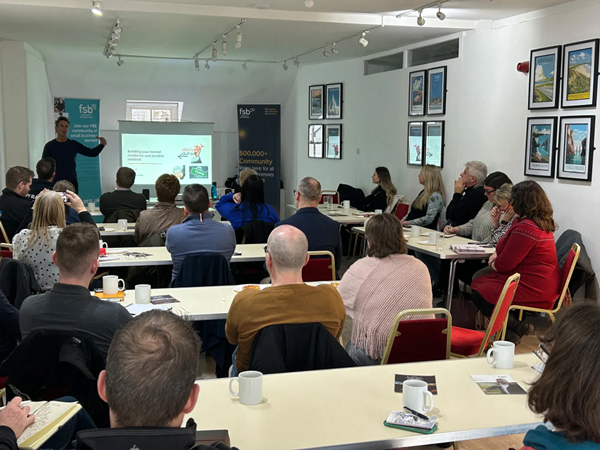
From Theory to Action: The 30-Day Goal
I am not a fan of “shelf-ware”, those expensive reports that sit in a drawer and never get used. Everything I do is about actionable tips.
If you want to start improving wellbeing today, here is a simple exercise you can try with your team:
The Motivation Audit:
- Ask your team members to identify one task they did this week that made them feel energised and one that made them feel drained.
- Discuss why those tasks felt that way. Was it because they were working alone? Under pressure? Learning something new?
- Set a 30-day goal to adjust just one small aspect of their role to align better with what energizes them.
This small step opens the door to more meaningful conversations and shows your team that you are genuinely invested in their individual experience of work.
A Partner in Your Journey
Implementing a tool like Motivational Mapping isn’t just about data; it’s about a commitment to your people. Whether you are an individual looking for personal growth or an organisation looking to foster a more resilient, positive work culture, we are here to help you navigate that path.
My approach combines these deep insights with practical exercises, ensuring that the changes you make are sustainable and measurable. I don’t just tell you what’s wrong; I give you the tools to make it right.
Let’s Start the Conversation
If you’re tired of “one-size-fits-all” wellbeing strategies and want to dive deeper into what truly makes your team tick, I’d love to chat. Motivational Mapping is more than a diagnostic tool; it’s a way to show your employees that their unique contribution and wellbeing truly matter.
Feel free to reach out to me directly keith@yoursuccesssolutions.com . Let’s explore how we can build a culture that doesn’t just survive the work week but thrives within it.